The Average Salary For U.S. Workers: Everything You Need To Know
It is the beginning of the third decade of the 21st century and the term “work” has a way more broad meaning for all of us already. It is a fast-changing, not so predictable time for the world economy, and of course for the U.S economy too. We are surrounded by new generation’s seeking for alternative jobs like driving uber and remote freelancing. So how much is the average U.S worker’s salary? We are here to discuss it along with factors such as gender, ethnicity, education, industry, geographical location affecting it. Apart from the factors affecting the average salary for u.s workers, we will also summarize the information on salary and cost of living calculators to help you determine the salary for certain occupations. We use the U.S. Department of Labor’s Bureau of Labor Statistics’ data in order to help you make informed job decisions. Interested? Let’s get started!
Table of Contents
- Average Salary Estimation for U.S. Workers
- The Average Salary For U.S. Workers Based On Gender
- The Average Salary by Race
- The Average Salary by Age
- Average Salary Based on Education
- How To Find The Average Salary While Job Searching
- Salary And Cost Of Living Calculators
- To Sum Up
Average Salary Estimation for U.S. Workers
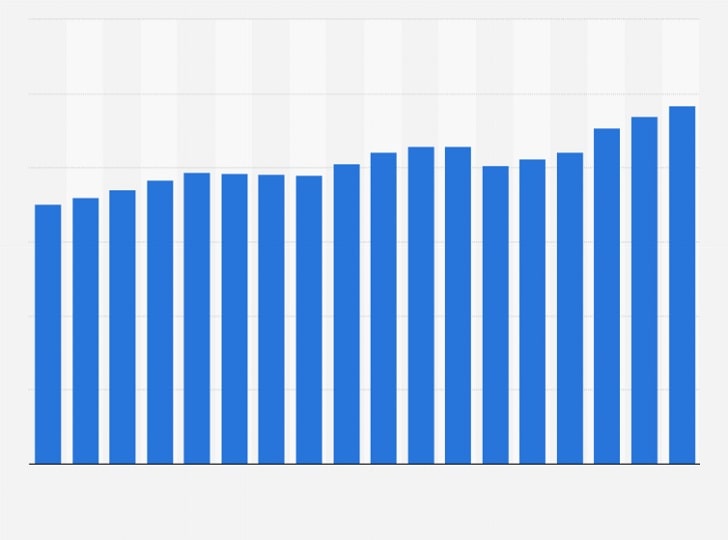
In 2018, the median wage is estimated to be $32,841.03 and nearly 67% of wage workers in the U.S. were earning equal to or less than $50,000 per year. Furthermore, it has been calculated that the majority was making way less than fifty-thousand dollars. In 2020, the median wage is estimated to be $50,000 per year which is 5.6% higher when compared to 2019. You should keep in mind that these are pre-tax numbers which means that when social security and taxes are taken into consideration, wage workers actually earn 25% less than these numbers.
Salaries changes depending on the occupation and location. In the cities where the cost of living is high, people earn more but spend more as well. Occupations in management, for instance, pay the most, however, there is a huge pay gap between men and women. We will dive into every factor one by one.
The Average Salary For U.S. Workers Based On Gender
In 2019, women were earning 82.5 percent of what men were earning and in the first quarter of 2020, the situation got worse. Now, women are earning 80.4% of men’s earnings.
The Average Salary by Race
Ethnicity and race also play a role in figures for men and women. For instance, while white women earn %80 of white men’s earnings, black women earn 93.2% as much as their male counterparts. Nevertheless, black men earn only 75.1% of white men’s earnings. White women earn more than black women earning 85% of white women’s median annual pay. Asian women only earn 75.5% and Hispanic women 86% compared to white women.
The Average Salary by Age
Salaries vary depending on age. Below you will see the median weekly earnings for each age group.
$1,162 for men ages 35 to 44
$1,174 for men ages 45 to 54
$1,188 for men ages 55 to 64
While men earn the highest median salary between 45-54 years of age, women earn the highest median salary between 35 and 44.
Average Salary Based on Education
In the U.S.A, if you complete more education, you will earn more. While with a bachelor’s degree, you can earn $72,020 annually if you do not hold a degree it is $31,668. If you are 25 years old full-time worker and do not hold a high school diploma, you can only make $596 a week.
How To Find The Average Salary While Job Searching
First, you need to do your research to find out the salary range. It will definitely help you to negotiate your salary with the interviewer.
Salary And Cost Of Living Calculators
Once you find out about the salary range, there are some tools you should use to determine whether your salary is good enough for the cost of living in a particular region or city. Keep in mind that understanding the average salaries regarding your occupation and industry will give you a lot of insight into your career. There are six tools we will recommend you and tell how they function.
1) Glassdoor: The well-known website provides a free and personalized “Know Your Worth” salary estimate tool for you to find out more information about the company, you consider working for. As it is obvious from the name, the tool helps you to know your worth and find out if you are offered a salary below or above the market value.
2) Indeed: This tool is a bit different from Glassdoor’s. Indeed Salary Search provides you the service of comparing the salaries in different companies by the same job title. Additionally, it gives information about benefits and other career advice.
3) Linkedin: Linkedin Salary shows you the median and base salary that can be filtered by location, industry, experience. Similar to Indeed Salary Search, it also provides information on benefits and bonuses offered by the companies throughout the U.S.A.
4)Zippia: It differs from other tools because it is an interactive one. By using Zippia, you can compare your salary to other people and evaluate the factors such as gender, experience, and education level.
5)Salary.com: It has two tools to help you out. The first one is Salary Survey, functioning as an information source regarding the salary ranges and additional benefits. The second one is Benefits Wizard which is a bit different than the other tools because it gives you the whole information about salary as a package.
6)Payscale: Last but not least, Payscale offers two tools, Salary Survey evaluates the salary range for almost every profession and Cost of Living The calculator compares the salary ranges with different locations. Furthermore, it gives you an opportunity to find out if you can live on with your salary in a particular region or city.
To Sum Up
Now that we have provided you a lot of statistical facts and useful tools to know your worth, you need to evaluate all the factors when determining and negotiating your salary. Get a degree, form an appealing resume, get recommendation letters from the places you work. Do not forget to take the cost of living and market value accounts.
Source: 1 (Access: March 25, 2020) 2 (Access: June 12, 2020)